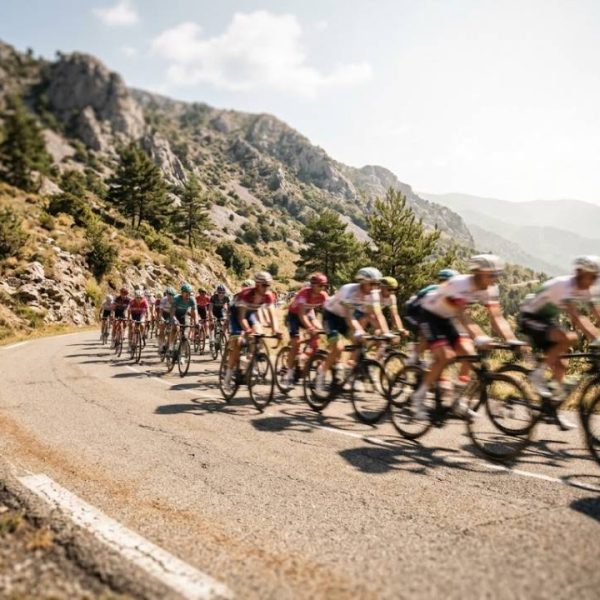
Walk through the team paddock at a major stage race and you will hear five or six languages before you reach the coffee. Riders, mechanics, doctors, drivers and sponsors come from everywhere.
In a sport where seconds matter, clear communication is part of the training plan.
The Peloton Is Multilingual
Modern cycling teams recruit talent worldwide. A single squad might include riders from Belgium, Colombia, Denmark, Italy and Australia, plus staff from even more countries.
Most teams adopt a working language, often English or French, for race briefings. Yet instructions given in a second language are easy to misunderstand under pressure.
Smart directors repeat key points, use simple words and confirm that everyone has understood the plan.
Radio Messages and Quick Decisions
During a race, directors speak to riders by radio. Messages are short and urgent: a crash ahead, a break going away, a feeding zone in two kilometres.
Teams create standard phrases for these moments, so a rider hears the same words every time. Practice sessions help new arrivals learn the code.
Cycling and the French Language
France hosts the most famous race in the sport, and French has long been a language of cycling. Technical terms, race documents and press briefings often appear in French first.
Teams that compete there regularly rely on french to english translation for race regulations, local contracts and communication with organisers, so that nothing is lost between the rulebook and the road.
The governing body, the Union Cycliste Internationale, publishes rules and news that teams study carefully each season.
Medical and Safety Information
Doctors and physiotherapists need to understand riders' histories, allergies and medication. Mistakes here can end careers.
Teams keep medical summaries in two languages and ask riders to confirm key facts in their own tongue. When an accident happens abroad, interpreters at the hospital are essential.
Working With Freelance Language Help
Not every team can employ full time interpreters. Many bring in freelancers for press days, sponsor events and rider contracts.
A practical checklist on how to hire freelance translators helps managers check experience, subject knowledge and availability before the busy season begins.
Sponsors, Media and Fans
Cycling fans follow the sport across borders, and sponsors want their messages understood in every market. Press releases, social posts and video captions must be accurate and fast.
Rider interviews are another delicate area. Quotes translated badly can create headlines the rider never intended.
Team Culture Matters
Language is also about belonging. Riders who feel included perform better and stay longer.
Many teams hold language lessons, share meals and mix room assignments on purpose. Small efforts like these turn a group of strangers into a unit.
Training Camps Abroad
Winter camps often take place in warm countries, where hotels, local guides and medical centres must be arranged in another language.
Advance planning with translated schedules and emergency contacts keeps camps running smoothly.
Cycling teams operate across languages in the way the article describes, with riders, mechanics and directors who share only partial overlap in any one tongue. Race notes, medical records and sponsor commitments all have to reach the right person in a form they can read. Teams that run this well end up doing real translation management, with a clear owner for each document type rather than whoever is free that afternoon.
Youth Development
Young riders who move abroad face homesickness along with new languages. Host families, mentors and short courses help them settle in.
A rider who understands the team talk from day one will learn faster and enjoy the sport more.
Race Day Logistics in a Foreign Country
Travelling teams juggle buses, hotels, meals and equipment for dozens of people. Each stage can involve a new town, a new hotel manager and a new set of rules.
Staff members who speak the local language handle bookings, parking permits and access to team zones. When nobody does, a short phrase list and a reliable contact on the ground can save an hour of confusion.
Maps, schedules and safety notes are sent in advance, ideally translated into the languages spoken by the team, so everyone arrives with the same information.
Nutrition and Daily Routines
Riders follow strict meal plans. Chefs and hotel kitchens need clear instructions about ingredients, allergies and timing, and misunderstandings can disrupt a whole week of preparation.
Teams often bring their own cooks or provide written menus with simple, translated notes for local staff. A thank you in the local language goes a long way when a kitchen goes out of its way to help.
Learning From Other Sports
Football clubs, rowing squads and athletics teams face the same challenge. The best programs appoint a language officer or a cultural liaison who looks after newcomers and keeps messages consistent.
Cycling teams can borrow these ideas, from welcome packs for new riders to bilingual signs in the service course.
Practical Tips for Team Managers
Create a one page guide for new riders with the team schedule, key phrases and contact numbers in two or three languages. Ask each rider to name a buddy who can answer questions in their own language during the first month.
Review communication after every major race, noting what worked and what caused confusion, and update the guide for next season.
Final Thoughts
Cycling may look like a battle of legs and lungs, but words shape results too. Teams that invest in clear communication across languages ride with more confidence and fewer surprises.